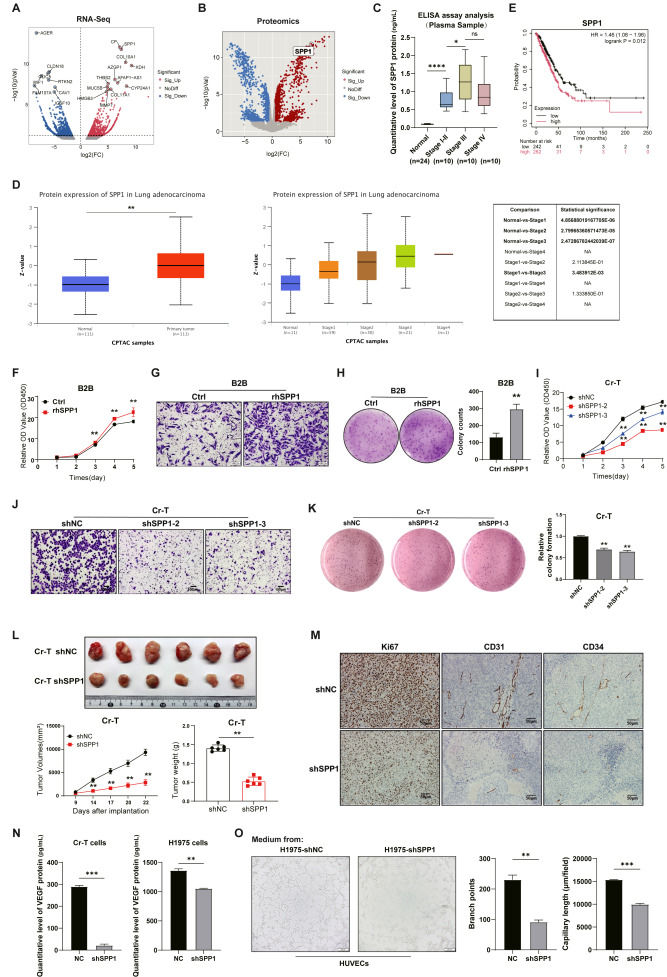
SPP1 expression serves as a potential peripheral circulating biomarker for lung cancer prognostics and drives tumorigenesis
SPP1 expression serves as a potential peripheral circulating biomarker for lung cancer prognostics and drives tumorigenesis
Secreted phosphoprotein 1 (SPP1, osteopontin) is a secreted phosphorylated glycoprotein that participates in extracellular signaling, immune regulation, and epithelial–mesenchymal transition.1,2 A recent study published in Nature demonstrated that loss of SPP1 led to depletion of mesenchymal populations, whereas its overexpression drove epithelial–mesenchymal transition and tumor aggressiveness. Mechanistically, SPP1 regulated pancreatic cancer progression through "SPP1–CD61–NF-κB–BMP2/GREM1–SPP1" feedback circuit; suggesting that SPP1 and its associated molecules (CD61, NF-κB) are potential therapeutic target(s).3