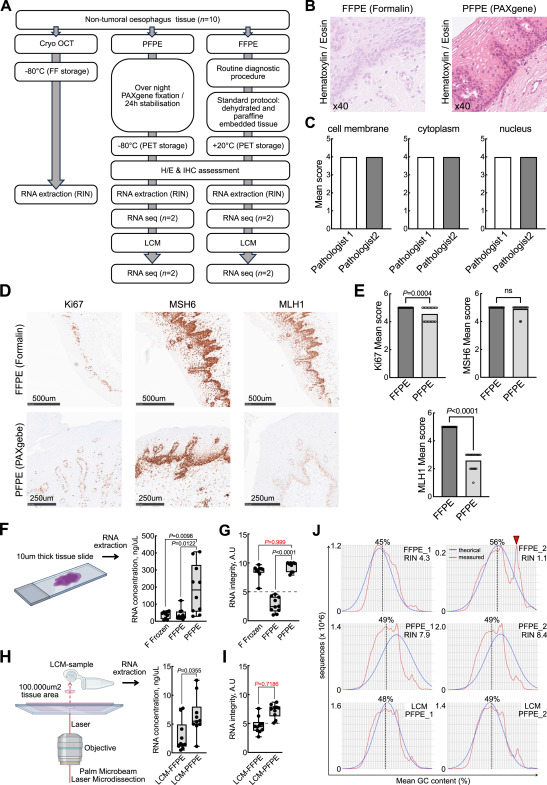
Enhanced transcriptomic profiling of esophageal tissue through optimized PAXgene fixation protocols
Enhanced transcriptomic profiling of esophageal tissue through optimized PAXgene fixation protocols
Over the past decade, transcriptomics has emerged as a vital tool to study inter- and intra-sample heterogeneity. In acute myeloid leukemia, comparison of RNA sequencing with whole genome or exome sequencing has revealed that RNA sequencing enables identification of expressed gene fusions, single-nucleotide and short insertion/deletion variants, and whole-transcriptome expression information, thus offering the greatest diagnostic return.1 Furthermore, by elucidating distinct molecular subtypes, transcriptomics also enables the development of personalized therapeutic strategies.2,3