Loss of minichromosome maintenance 4 leads to early renal dysplasia and cystogenesis outcomes
Loss of minichromosome maintenance 4 leads to early renal dysplasia and cystogenesis outcomes
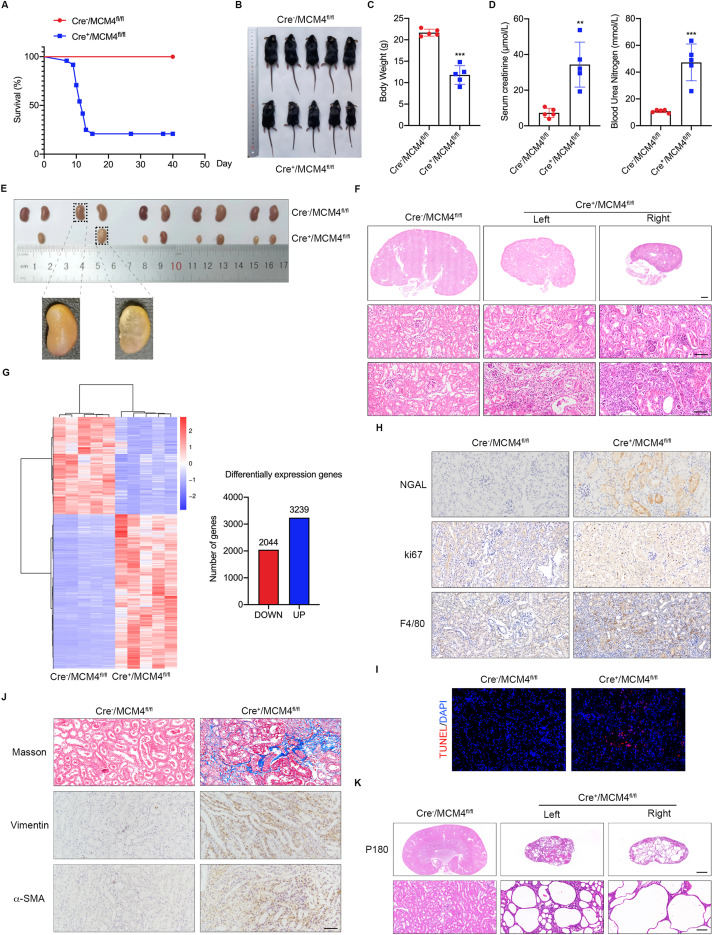
Renal dysplasia is defined by defective ureteric branching morphogenesis and nephrogenesis, which is the leading cause of renal failure in children. Currently, there is no effective therapeutic strategy.1 It is generally categorized as the complete absence of the kidneys, small kidneys (unilateral or bilateral) with or without normal renal architecture, and massive multicystic kidneys at the gross level.2 However, the detailed phenotypic features and regulatory mechanisms involved in the genesis of renal dysplasia remain poorly understood. Thus far, approximately 70 genes, including transcription factors (Six1 and Pax2) and growth factors (GDF11 and FGF), have been reported to play important roles in human renal dysplasia.3 In this study, we revealed the new genetic role of minichromosome maintenance complex component 4 (MCM4), highlighting the importance of MCM4 in maintaining tubular cell structure and kidney function. Deletion of MCM4 in kidney tubules resulted in fewer nephrons and a severely dysmorphic and dysplastic tubule system. MCM4 may be extended to identified as a new genetic target in renal development and provide valuable insights into potential therapeutic strategies and precision medicine.