An in-depth analysis of the prognostic significance and potential clinical impact of Leupaxin in the immunotherapeutic treatment of esophageal squamous cell carcinoma
An in-depth analysis of the prognostic significance and potential clinical impact of Leupaxin in the immunotherapeutic treatment of esophageal squamous cell carcinoma
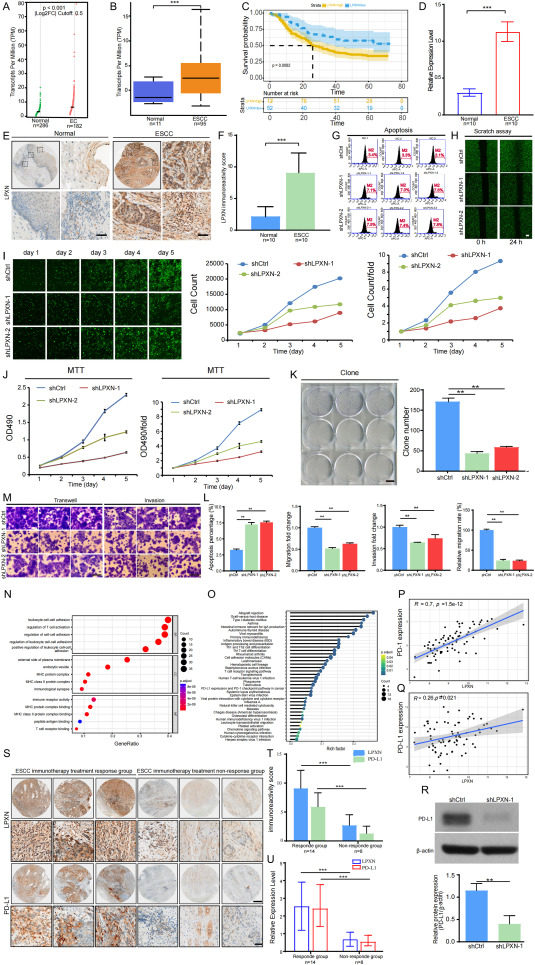
Esophageal cancer (EC), with annual global reports exceeding 570,000 fresh cases, presents a relatively prevalent concern.1 Esophageal squamous cell carcinoma (ESCC), the most prevalent histological subtype of EC, is particularly common in southern Africa and southern Asia. It constitutes 90% of EC cases in China. This disease, characterized by aggressive tumor growth, significant tumor heterogeneity, and complex oncogenic pathways, typically has a poor prognosis. Recent years have seen considerable advancements in cancer immunotherapy with the advent of immune checkpoint inhibitors (ICIs) such as cytotoxic T-lymphocyte-associated protein 4 (CTLA-4) and programmed cell death protein 1 (PD-1).2 Nonetheless, the absence of effective treatment strategies to surmount resistance to cancer immunotherapy precludes a large number of cancer patients from reaping its benefits or achieving enduring therapeutic results.3 Identifying new immunotherapy biomarkers or novel immunoregulatory genes could pave the way for a more tailored and durable cancer immunotherapy approach. Elevated levels of Leupaxin (LPXN) have been correlated with the evolution and progression of certain malignant tumors,4 such as prostate cancer, colon cancer, breast cancer, and osteosarcoma. However, the impact of LPXN on the progression, prognosis, and its immunomodulatory functions in ESCC remains unknown.