The mechanism of m6A modification in cardiovascular diseases: A systematic review
The mechanism of m6A modification in cardiovascular diseases: A systematic review
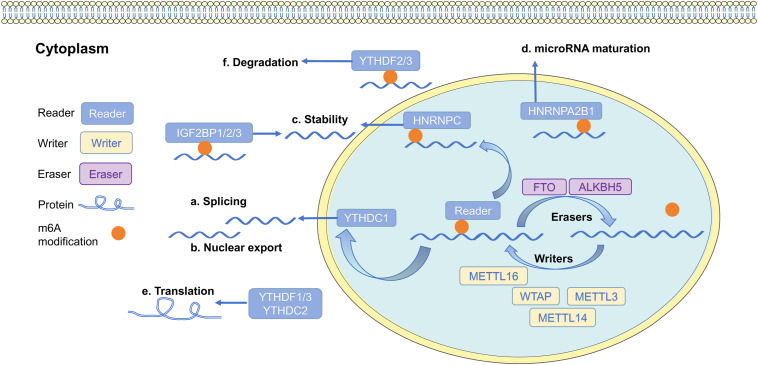
N6-methyladenosine (m6A) is the most prolific and conserved epigenetic modification of eukaryotic RNAs and is closely associated with the transcription, cleavage, translation, and degradation of target mRNAs. Cardiovascular disease (CVD) is the leading cause of death globally, with a significant research area focusing on understanding its pathogenesis and identifying effective therapeutic strategies. Recent advances in RNA methylation have revealed that m6A RNA modifications play a critical role in the initiation and progression of CVDs, potentially offering new insights into the development of these diseases. Interactions among various components influencing m6A modification levels regulate the effects of downstream targets, either by promoting or inhibiting CVD progression. This review connects the different types of CVDs and discusses the regulatory processes and intricate interactions between m6A methyltransferases and demethylases. We suggest that m6A RNA methylation could uncover potential targets for diagnosing and treating diseases, providing a clear view of how m6A modification affects CVDs and explaining the related molecular mechanisms and biological functions.