Hemophagocytic lymphohistiocytosis: Unraveling the role of SARS-CoV-2 infection
Hemophagocytic lymphohistiocytosis: Unraveling the role of SARS-CoV-2 infection
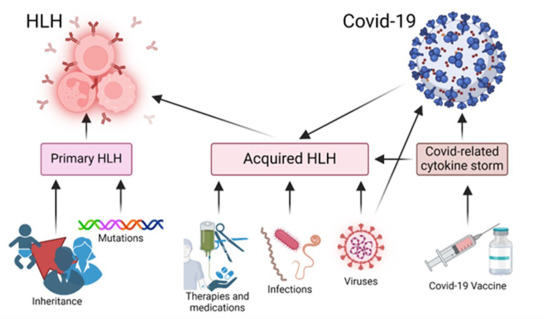
Hemophagocytic lymphohistiocytosis (HLH) is a rare immune disorder characterized by uncontrolled activation of cytotoxic T lymphocytes (T cells), natural killer cells (NK cells), triggering a cytokine burst, and severe systemic hyperinflammation.1 HLH can be inherited or developed from infection, autoimmune/autoinflammatory disorders, and neoplasms. The only effective treatment for familial HLH is hematopoietic stem cell transplantation. However, extensive research explores other cellular and acellular therapies. Acquired HLH can be treated by addressing its cause. The treatment of HLH includes chemotherapy, immunotherapy, steroids, antibiotics, and antiviral medications.