Interaction between N6-methyladenosine (m6A) modification and toxicant-related neurodegeneration: From neural development to pathophysiology
Interaction between N6-methyladenosine (m6A) modification and toxicant-related neurodegeneration: From neural development to pathophysiology
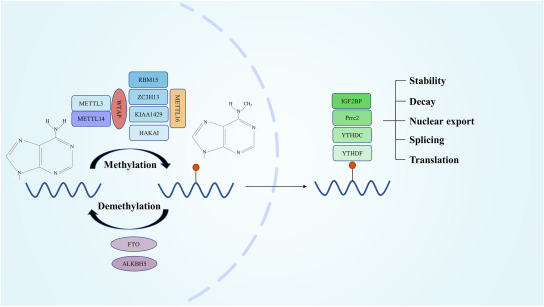
N6-methyladenosine (m6A) modification is a crucial epigenetic mechanism that is widely expressed across various tissues and biological systems. It regulates gene expression by influencing the stability and translation of messenger RNAs, thereby affecting key physiological processes such as cell division, proliferation, and apoptosis. m6A modification plays an essential role in maintaining normal physiological functions and in the pathogenesis of a variety of diseases. Recent studies have highlighted the involvement of m6A in the development of the nervous system and its contribution to neurodegenerative diseases, including Alzheimer’s and Parkinson’s disease. However, research on the involvement of m6A in nervous system disorders induced by toxic substances remains limited. This review provides an updated overview of the role of m6A in neural development, with a particular focus on exploring the potential mechanisms by which m6A contributes to toxicant-related neurodegeneration diseases.