Identification of novel compound heterozygous variants of the PNPLA6 gene in Oliver-McFarlane syndrome with concomitant insulin resistance
Identification of novel compound heterozygous variants of the PNPLA6 gene in Oliver-McFarlane syndrome with concomitant insulin resistance
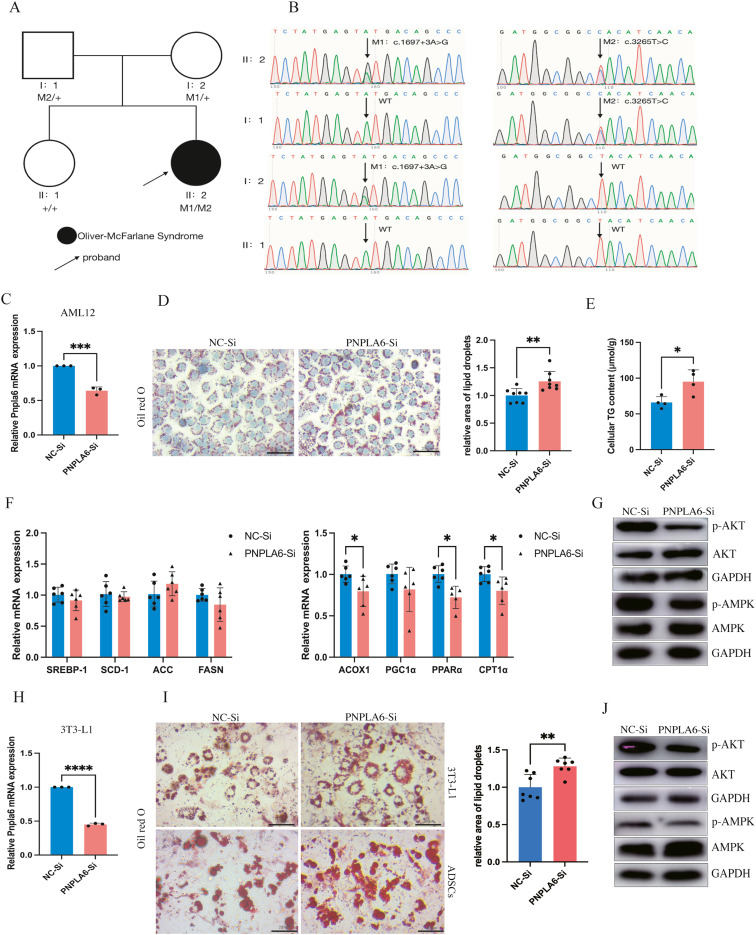
Oliver-McFarlane syndrome (OMCS) is a rare autosomal recessive genetic disease characterized by trichomegaly, anterior pituitary hypofunction, chorioretinal degeneration and neurological manifestations. The association between this syndrome and variants in the patatin-like phospholipase domain-containing protein 6 (PNPLA6, OMIM 603197) gene was first reported by Hufnagel et al in 2015.1 The PNPLA6 gene encodes neuropathy target esterase (NTE), which plays a critical role in phosphatidylcholine metabolism, membrane phospholipid trafficking, and axonal integrity.2 PNPLA6 is expressed throughout the central nervous system and eyes during human embryonic development and is widely expressed in adult tissues. Mutations in the PNPLA6 gene alter NTE enzyme activity, thus leading to a spectrum of diseases.3 In this study, we reported a 17-year-old female patient who presented with absent secondary sexual characteristics during puberty with long and curly eyelashes, unexpectedly accompanied by marked insulin resistance and fatty liver disease. The patient was finally diagnosed with OMCS based on the whole exome sequencing (NGS) identifying novel compound heterozygous variants in the PNPLA6 gene.