An autophagy-related molecule reticulon 3 functions as a novel prognostic biomarker in hepatocellular carcinoma
An autophagy-related molecule reticulon 3 functions as a novel prognostic biomarker in hepatocellular carcinoma
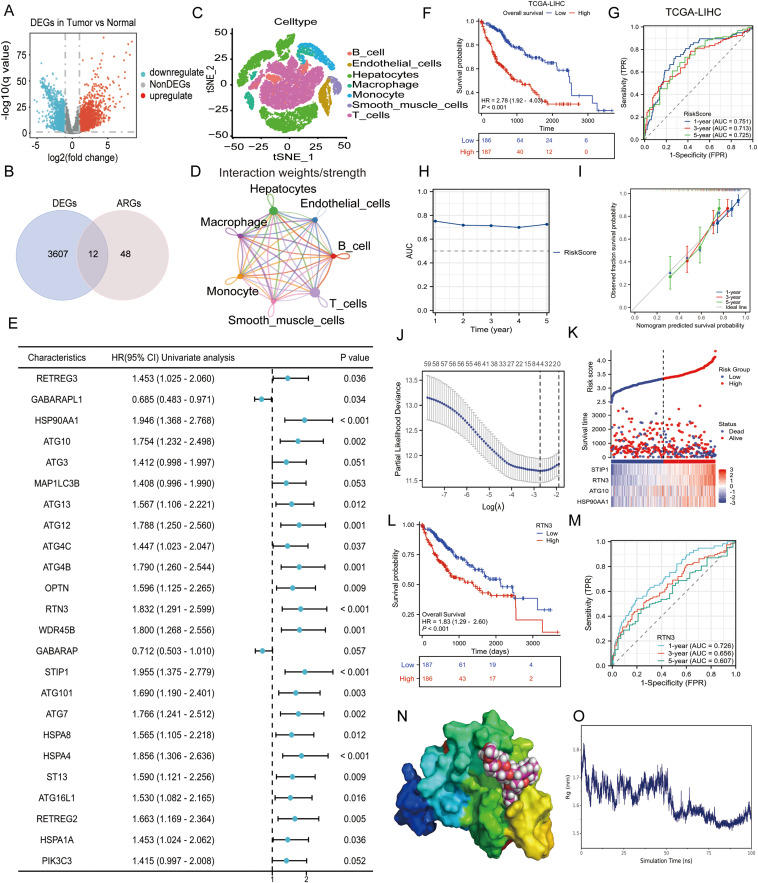
Hepatocellular carcinoma (HCC) is a highly lethal malignant tumor, and its unique pathology leads to limited therapeutic benefits.1 Autophagy plays a pivotal role in cellular homeostasis, facilitating macromolecule and energy recycling and conferring protection against cellular stress. Autophagy exerts a dual role in cancer initiation and progression. In the initiation phase of tumorigenesis, it can clear pathogenic mutant proteins and prevent the accumulation of harmful substances that damage DNA, thus inhibiting tumor formation. In the cancer progression phase, autophagy may supply nutrients for synthetic metabolism in cancer cells, fostering tumor development. Furthermore, activating autophagy can enhance the sensitivity of cancer cells to chemotherapy and amplify the anti-tumor effects of chemotherapeutic agents.2,3 Therefore, profiling the function and prognostic value of autophagy-related genes (ARGs) is critical to characterize new biomarkers and prognostic risk models for HCC management. Here, we conducted a detailed investigation into the single-cell expression profiling, function, and genetic alterations of ARGs using transcriptomic data from patients within the TCGA-LIHC cohort. DNA methylation analysis uncovered novel methylation sites significantly correlated with patient survival outcomes. We then developed a prognostic model based on ARGs expression through univariate COX regression analysis. Kaplan–Meier survival analysis and receiver operating characteristic (ROC) curve revealed that the risk model could exactly predict the prognosis of HCC patients. Employing machine learning approaches, including LASSO, Random Forest, and Support Vector Machine algorithms, we identified reticulon 3 (RTN3) as a key protein with prognostic significance. Both RTN3 expression and the risk score were found to be independent indicators of immune cell infiltration within the tumor microenvironment. Furthermore, molecular docking and kinetic simulation experiments suggested ivermectin as a potential therapeutic agent targeting RTN3. Collectively, our findings reveal novel biomarkers, a robust prognostic model, and a candidate drug, offering new insights into HCC management.