TNFAIP8/TIPE2 inactivation modulates extracellular matrix organization gene expression and preserves the intervertebral disc structure in mice
TNFAIP8/TIPE2 inactivation modulates extracellular matrix organization gene expression and preserves the intervertebral disc structure in mice
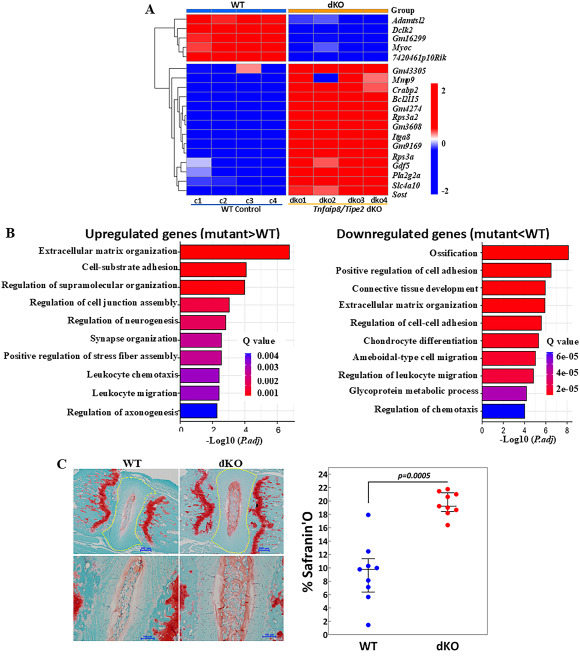
Back pain related to intervertebral disc (IVD) degeneration is a common clinical problem. Inflammatory cytokines and chemokines have been found in painful/degenerative human IVDs1 and may account for some painful symptoms. The TNFAIP8 (tumor necrosis factor-α-induced protein 8) family, discovered by Chen and colleagues via genomic profiling of inflamed tissues, comprises four highly homologous mammalian proteins, designated TNFAIP8 and TIPE1-3 (TNFAIP8-like 1-3, or TIPE1-3). TNFAIP8 and TIPE2 direct leukocyte migration and fine-tune inflammation.2,3 Tnfaip8 and Tipe2 gene expression is perturbed by injury to mouse IVDs,4 suggesting that the products of these genes play a role in injury/repair responses. Furthermore, TNFAIP8 and TIPE2 loss of function ameliorated immediate proteoglycan loss and inflammation in the injured IVDs.5 Here, we examined the effects of their function loss on the IVDs in mice in which both genes were deleted. Transcriptome and morphological features of IVDs in male mice 10–12 weeks of age were analyzed. Tnfaip8/Tipe2 double knockout (dKO) mice were compared with wild type (WT) mice on the same genetic background. Four consecutive intact coccygeal IVDs (C3/4. C4/5, C5/6, and C6/7) were pooled for RNA extraction.