Selenoprotein GPX3 regulates NADPH oxidase expression by inhibiting the MAPK signaling pathway and thereby attenuating the inflammatory response in renal ischemia-reperfusion injury
Selenoprotein GPX3 regulates NADPH oxidase expression by inhibiting the MAPK signaling pathway and thereby attenuating the inflammatory response in renal ischemia-reperfusion injury
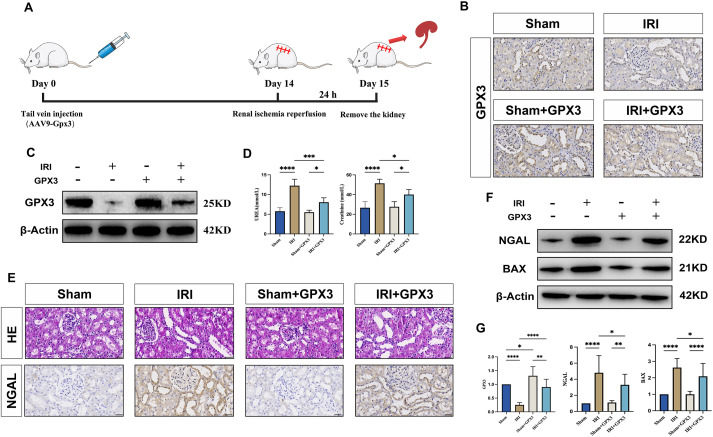
Renal ischemia-reperfusion injury (IRI) is one of the major causes of acute kidney injury, and the inflammatory response is considered a key factor. The selenoprotein GPX3, a member of the glutathione peroxidase family, has gradually attracted attention for its anti-inflammatory properties. However, the relationship between GPX3 and the inflammatory response during renal IRI remains unclear. The present study aims to investigate the role of GPX3 on the inflammatory response during renal IRI and related mechanisms. We utilized classic rat models of kidney IRI and cellular hypoxia reoxygenation model. After overexpressing GPX3 via lentiviruses and adeno-associated viruses, we observed a significant reduction in the expression levels of inflammatory factors in renal tissues, along with an increase in the expression of anti-inflammatory factor IL-10, resulting in noticeable alleviation of renal IRI. Meanwhile, we found that GPX3 alleviated the inflammatory response, probably by inhibiting the MAPK signaling pathway and reducing the expression of NAPDH oxidase. To further validate the mechanism by which GPX3 alleviated the inflammatory response, we used the MAPK signaling pathway agonist anisomycin for intervention. The results showed that anisomycin intervention significantly reversed the inhibitory effect of GPX3 on the MAPK signaling pathway, in which the expression level of NADPH oxidase was significantly increased, the secretion of inflammatory factors was increased, and the degree of renal tissue damage was significantly increased. These findings suggest that selenoprotein GPX3 alleviates inflammation during renal IRI by inhibiting the MAPK signaling pathway and reducing NADPH oxidase expression.