Ferroptosis and prostate cancer: A translational path from molecular mechanisms to precision therapy
Ferroptosis and prostate cancer: A translational path from molecular mechanisms to precision therapy
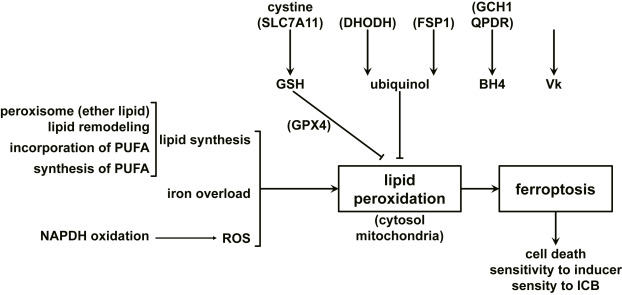
Castration-resistant prostate cancer represents a critical clinical challenge due to its propensity for resistance to conventional therapies and limited treatment efficacy. Ferroptosis is an iron-dependent form of programmed cell death driven by lipid peroxidation. It holds therapeutic potential and can be induced by glutathione peroxidase 4 (GPX4) inhibition, glutathione depletion, or iron overload using compounds such as RSL3 and Erastin. These approaches show promise in overcoming drug resistance and enabling synergistic effects with anti-androgen therapy, chemotherapy, and immunotherapy. This review systematically summarizes the core regulatory networks of ferroptosis in prostate cancer (such as the PI3K–AKT–mTOR, Hippo/YAP, PGE2, and their downstream pathways), summarizes combination treatment strategies and clinical trial progress, proposes a three-pronged translational framework of “ferroptosis regulatory network–biomarkers–precision therapy”, and discusses the challenges it faces in terms of drug resistance, targeting accuracy, and clinical translation. These insights aim to accelerate biomarker discovery, optimization of multimodal combination regimens, and the translation of ferroptosis from fundamental research into transformative therapeutic interventions.