Impact of maternal lipopolysaccharide and polyinosinic-polycytidylic acid-induced infections on offspring cardiac development: Mitochondrial dysfunction and metabolic alterations
Impact of maternal lipopolysaccharide and polyinosinic-polycytidylic acid-induced infections on offspring cardiac development: Mitochondrial dysfunction and metabolic alterations
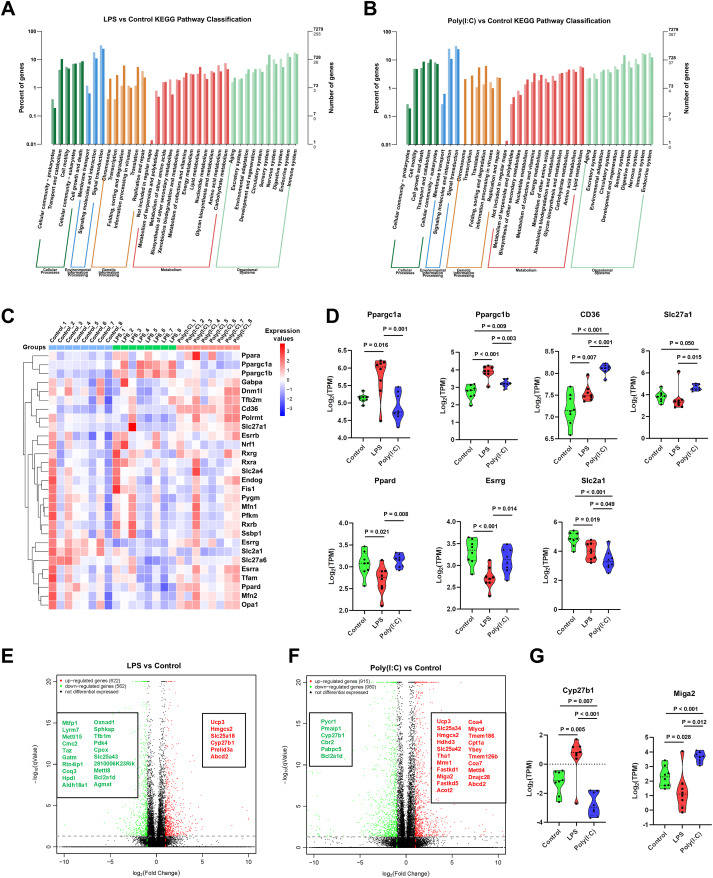
Maternal infections can have profound effects on embryonic heart development, yet the precise pathways through which these impacts manifest are still largely unexplored. This research explores the influence of maternal exposure to lipopolysaccharide (LPS) and polyinosinic-polycytidylic acid [Poly(I:C)] on metabolic profiles and mitochondrial function of offspring. At embryonic day 16.5, pregnant female C57BL/6J mice received either LPS or Poly(I:C) treatment. Human induced pluripotent stem cells were differentiated into cardiomyocytes (hiPSC-CMs) to evaluate the effects of various interventions on cardiomyocyte differentiation. mRNA sequencing and untargeted metabolomics were performed to analyze metabolic alterations. The findings from mRNA sequencing indicated that both LPS and Poly(I:C) caused metabolic pathway disturbances in the offspring's heart, with differentially expressed genes enriched in lipid, energy, and amino acid metabolism. Additionally, untargeted metabolomics showed a notable elevation in polyunsaturated fatty acids following LPS or Poly(I:C) treatment. Moreover, both LPS and Poly(I:C) treatment significantly impaired mitochondrial function, increased reactive oxygen species, and heightened lipid peroxidation within offspring mouse hearts. Mitochondrial dysfunction was mitigated through the application of antioxidant agents, such as N-acetylcysteine and ferrostatin-1. During hiPSC-CM differentiation, Poly(I:C) treatment led to similar mitochondrial dysfunction, while LPS treatment had minimal effects on ATP levels and lipid peroxidation. These findings indicate that maternal infection impairs metabolic signaling and mitochondrial function in the developing heart, with oxidative stress and lipid peroxidation playing key roles in these effects.