cGAS knockout inhibited endotoxin-induced uveitis in mice
cGAS knockout inhibited endotoxin-induced uveitis in mice
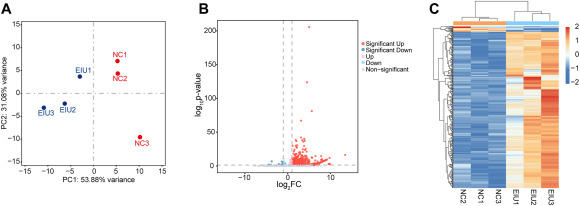
Our research focused on the impact of the cyclic guanosine monophosphate-adenosine monophosphate synthase (cGAS)–stimulator of interferon genes (STING) pathway on retinal inflammation and employed an endotoxin-induced uveitis (EIU) model. EIU was provoked in mice through the intravitreal administration of lipopolysaccharide. Transcriptome analysis was performed via bulk RNA sequencing. Cytosolic mitochondrial DNA levels in the retina were quantified via PCR. Western blotting was used to assess the activation of cGAS‒STING signaling at specified times after intravitreal lipopolysaccharide injection. To understand the influence of the cGAS‒STING pathway on inflammatory retinal disorders, Cgas knockout mice were developed. Fundus imaging and fluorescein angiography were conducted to observe vitreous inflammation. Microstructural analysis of the eyes was performed, and histopathological scoring was performed. Retinal leukocytosis assays were used to evaluate retinal inflammation. Analysis of these differentially expressed mRNAs revealed activation of the cGAS‒STING signaling pathway, which was confirmed by western blotting analysis of these proteins. Using Cgas knockout mice, we observed significant inhibition of endotoxin-induced intraocular inflammation, including reduced vitreous inflammation, reduced retinal vascular leakage, decreased leukocyte adhesion, inhibited infiltration and activation of macrophages in the retina, and inhibited microglial activation. These findings suggest that cGAS might be a potential novel therapeutic target for uveitis.