Multi-omics analysis of lactylation as a prognostic signature: A pan-cancer study
Multi-omics analysis of lactylation as a prognostic signature: A pan-cancer study
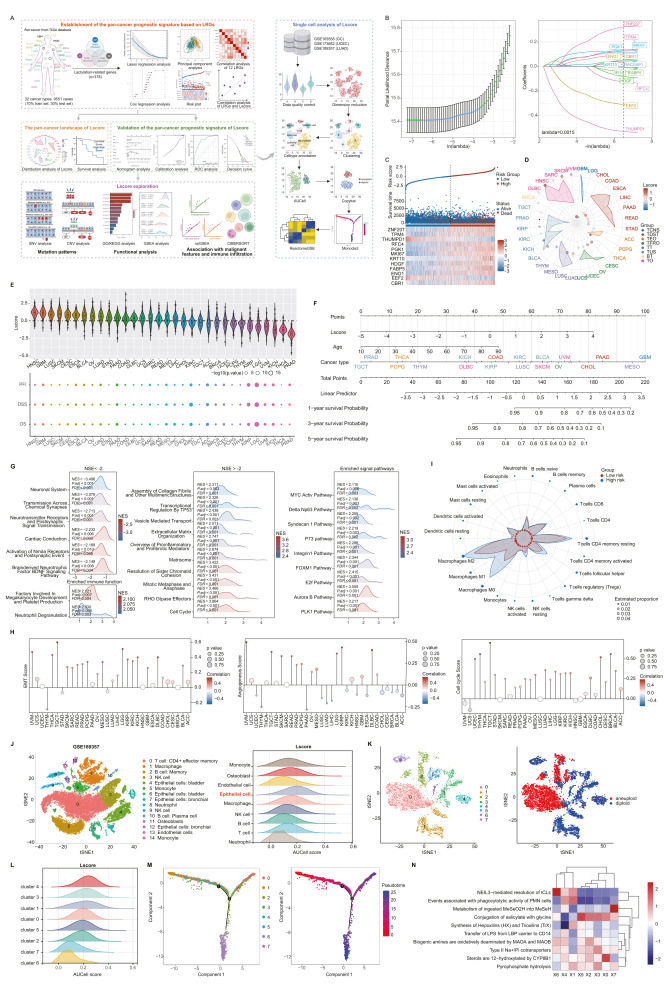
Tumor cells undergo metabolic reprogramming to enhance biomass uptake, which is crucial for their survival and proliferation.1,2 Lactate, traditionally considered as an energy substrate, promotes tumor growth by inducing histone lactylation, which alters gene expression and chromatin structure.3 This lactylation process influences tumor progression through immunosuppression, metabolic reprogramming, and macrophage polarization.4,5 However, how lactylation drives cancer development remains unclear. This study explores lactylation in tumor progression across 32 cancer types. A pan-cancer prognostic model based on lactylation-related genes (LRGs) was constructed using TCGA RNA transcriptome data. Cox, Lasso regression, and Kaplan–Meier survival analysis were employed to establish a survival prognostic score (Lscore). High lactylation levels were linked to poor patient prognosis, through influencing immune cell infiltration and promoting tumor metastasis by accelerating the cell cycle. Single-cell RNA sequencing revealed that lactylated cells were predominant in advanced tumor stages, with pathway analysis suggesting connections between lactylation, metastasis, immune cell phagocytosis, and lipid metabolism. This research deepens our understanding of tumor biology through lactylation, offering valuable insights for the development of novel therapeutic strategies and personalized treatment approaches. The workflow for constructing the LRGs signature of pan-cancer is depicted in Figure 1A.