The significance of epithelial–mesenchymal transition (EMT) in the initiation, plasticity, and treatment of glioblastoma
The significance of epithelial–mesenchymal transition (EMT) in the initiation, plasticity, and treatment of glioblastoma
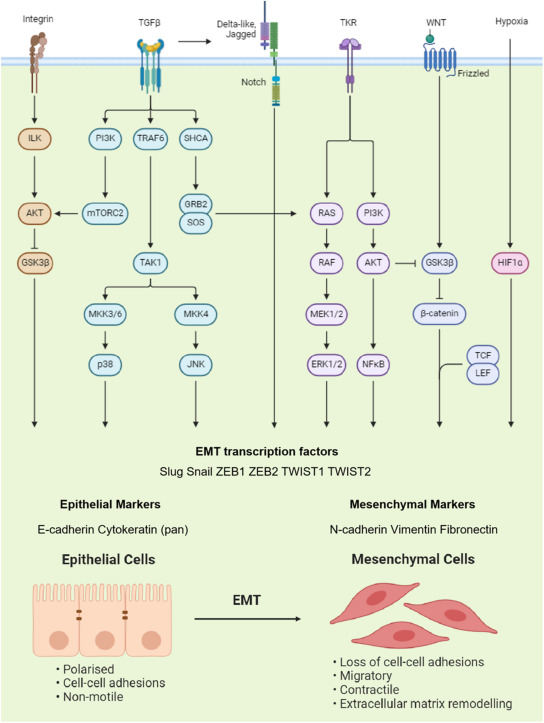
Epithelial‒mesenchymal transition (EMT) is a dynamic cellular process in which epithelial cells lose their characteristics and acquire mesenchymal traits, leading to enhanced migratory, invasive, and stem-like properties. EMT is a fundamental mechanism in cancer progression, including in glioblastoma (GBM), an aggressive brain tumor known for its poor prognosis and resistance to treatment. In GBM, EMT has been implicated in tumor initiation, plasticity, metastasis, and treatment resistance, making it a key factor in the pathophysiology of the disease. The process of EMT can promote tumor cell migration and invasion, facilitating the spread of cancer cells within the brain. Additionally, EMT is believed to contribute to the maintenance of cancer stem cells, which are thought to be responsible for tumor recurrence and resistance to conventional therapies. Given these multifaceted roles, understanding the molecular pathways and regulatory networks that drive EMT in GBM is critical for identifying new therapeutic targets. This review summarized the roles of EMT in GBM initiation and progression, its impact on cancer cell behavior, and the challenges of targeting EMT in therapy, highlighting potential strategies to overcome resistance and improve treatment outcomes.