Suppression of UCP2 alleviates leukemogenesis by enhancing branched-chain amino acids-induced oxidative stress via activating the PI3K/AKT/mTOR signaling pathway
Suppression of UCP2 alleviates leukemogenesis by enhancing branched-chain amino acids-induced oxidative stress via activating the PI3K/AKT/mTOR signaling pathway
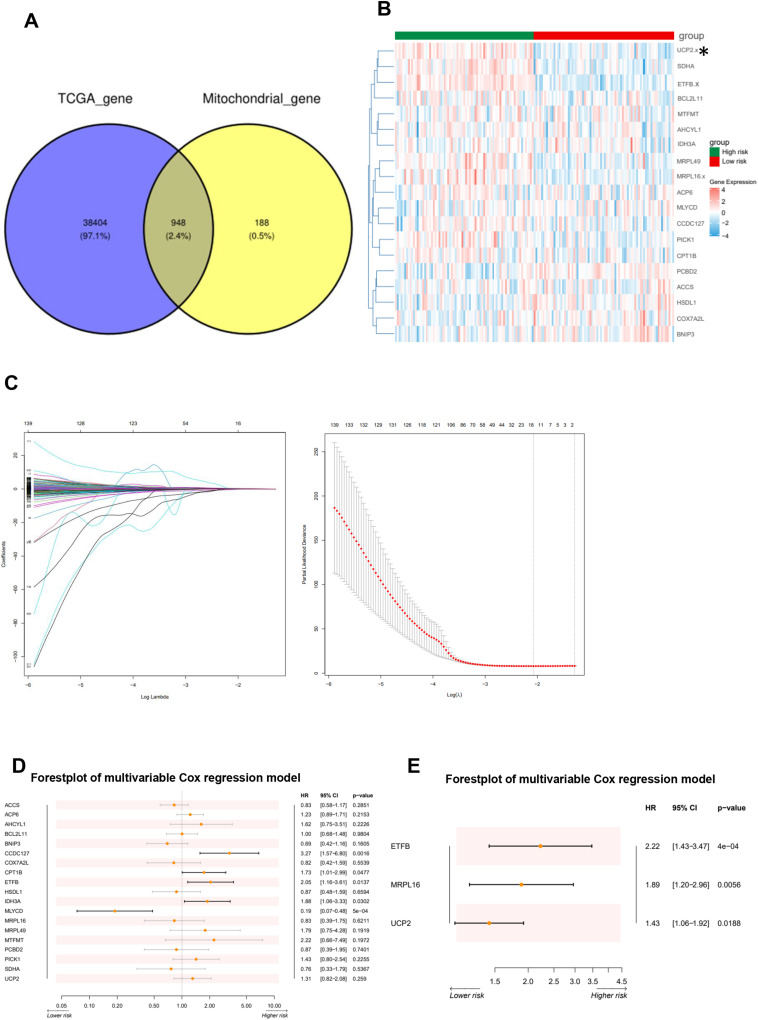
Although the cellular role of uncoupling protein 2 (UCP2) in tumorigenesis has been reported in various solid tumor models, its role in leukemogenesis remains elusive. Herein, we demonstrated that UCP2 was highly expressed in AML and significantly associated with poor prognosis and chemoresistance, suggesting that UCP2 can be used as a potential biomarker in acute myeloid leukemia. Mechanistically, in vitro and in vivo silencing of UCP2 significantly impairs acute myeloid leukemia cell growth and survival, accompanied by the disruption of mitochondrial homeostasis. Interestingly, RNA-sequencing analysis and metabolic mass spectrometry revealed that silencing UCP2 resulted in accumulated branched-chain amino acids (BCAAs), which induced oxidative stress through the PI3K/AKT/mTOR signaling pathway. Additionally, the lack of BCAAs restored leukemic cell growth and survival and decreased mitochondrial ROS production induced by inhibiting UCP2. More importantly, supplementation of BCAA enhanced the anti-tumor activity of genipin, a selective inhibitor that targets UCP2, resulting in significantly reduced acute myeloid leukemia blasts, increased mouse survival, and magnified oxidative stress. Taken together, our study elucidates the rationale of targeting the UCP2-BCAA-PI3K/AKT/mTOR signaling axis in leukemogenesis and provides a novel strategy for leveraging the metabolic dependencies of leukemic cells.