Multi-omics Mendelian randomization to identify novel immune therapeutic targets in benign prostatic hyperplasia
Multi-omics Mendelian randomization to identify novel immune therapeutic targets in benign prostatic hyperplasia
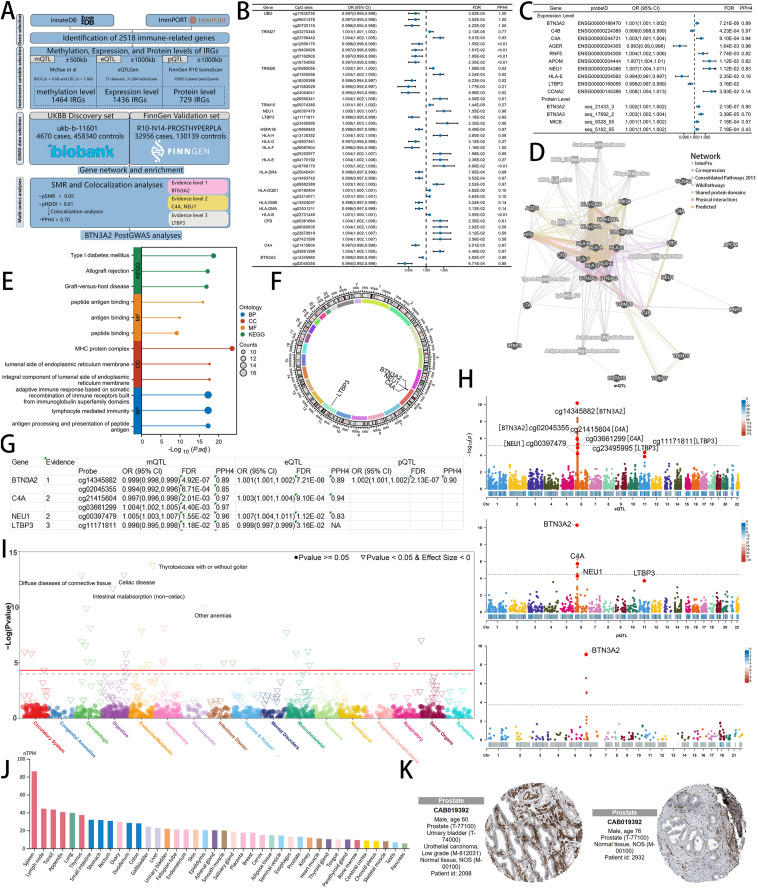
Benign prostatic hyperplasia (BPH) is the most common benign condition associated with lower urinary tract symptoms in aging males, significantly impacting their quality of life.1 Accumulating evidence suggests that BPH is intricately associated with chronic inflammation.2 With the availability of large-scale Genome-Wide Association Study (GWAS) data and advancements in analysis methods, we investigated the causal relationship between the immune-related genes and BPH using multi-omics quantitative trait loci data. Notably, butyrophilin subfamily 3 member A2 (BTN3A2) emerged as a priority level 1 candidate gene, demonstrating consistent correlations with BPH across all analytical levels. The identification of BTN3A2-associated mechanisms provides novel insights into tissue-specific immune modulation in BPH management.