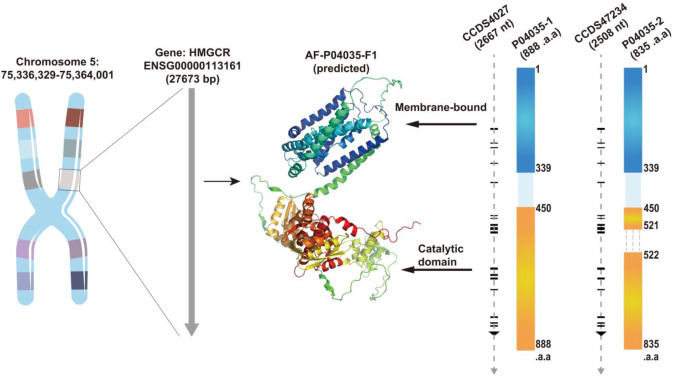
Emerging roles of the metabolic regulator 3-hydroxy-3-methylglutaryl coenzyme-CoA reductase in human cancers: From biology to therapeutics
Emerging roles of the metabolic regulator 3-hydroxy-3-methylglutaryl coenzyme-CoA reductase in human cancers: From biology to therapeutics
Tumor cells alter several critical metabolic pathways to satisfy their demands for rapid proliferation and survival. Maladjustment of cholesterol metabolism is present in diverse types of tumor cells. 3-Hydroxy-3-methylglutaryl coenzyme A reductase (HMGCR) is a critical enzyme in regulating cholesterol biosynthesis and metabolism. Many studies have demonstrated the up-regulated expression of HMGCR in various tumor cells and the correlation with tumor progression by modulating key cancer characteristics, especially the reprogramming of cellular metabolism, maintaining proliferative signaling and evasion of cell death, and promoting invasion and metastasis. Targeting HMGCR can inhibit tumor cell proliferation, increase apoptosis, reverse resistance to chemotherapy, and inhibit metastasis, implicating HMGCR as a promising target for cancer therapies. Although challenges, such as side effects, remain significant, small-molecule inhibitors of HMGCR with potential anti-tumor properties have been developed for use alone or in combination with other anti-cancer agents. This review systematically integrates recent advances from HMGCR biology to therapeutic strategies by bridging mechanistic insights with translational challenges. The review aims to redefine HMGCR targeting as a multifaceted therapeutic paradigm in precision oncology.