Pathogenic variation in human DNA damage repair genes was originated from the evolutionary process of modern humans
Pathogenic variation in human DNA damage repair genes was originated from the evolutionary process of modern humans
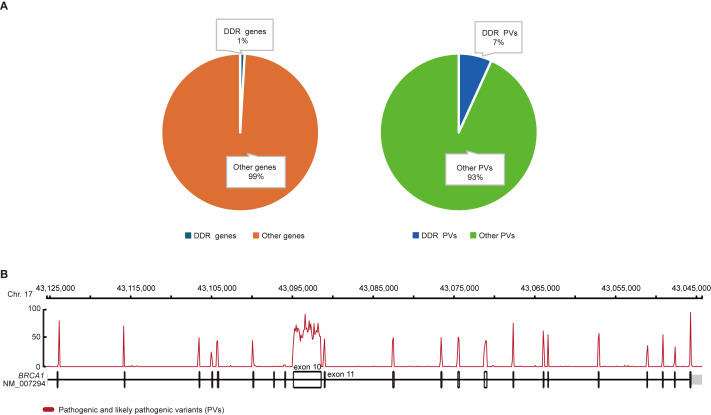
DNA damage repair (DDR) genes play critical roles in maintaining genome stability. However, they are prone to genetic variation, of which pathogenic variation (PV) is a predisposing factor for high risk of cancer development in modern humans. Knowing the origin of DDR PV is critical for understanding the genetic basis and developing strategies against cancer risk for modern humans. So far, there is no consensus on the original sources of DDR PV in modern humans. We performed phylogenic analysis, and the results ruled out non-human species as the original source for the PV in modern humans through evolutionary conservation. We performed anthropological analyses by tracing the PV from modern humans in over 5000 ancient humans spanning the past 40,000 years. We observed a widespread distribution of DDR PV shared between modern and ancient humans. The shared DDR PV was predominantly found in modern non-Africans within the past 10,000 years rather than in modern Africans, highlighting that the arising time should be post the latest Out-of-Africa human migration. We also observed the rich distribution of Portuguese BRCA founder PV in Brazilian, highlighting that human admixture facilitated DDR PV transmission globally between ethnic human populations. The shorter arising time of DDR PV was further supported by the haplotyping results of DDR founder PV in multiple DDR genes and the predominant heterozygotic nature of DDR PV. Our comprehensive investigation reveals that DDR PV was mainly originated from the recent evolutionary history of modern humans, and highlights that the high cancer risk caused by DDR PV in modern humans is a by-product of the human evolution process.