The advancements in organoids: Potential and challenges in researching the esophagus and esophageal squamous cell carcinoma
The advancements in organoids: Potential and challenges in researching the esophagus and esophageal squamous cell carcinoma
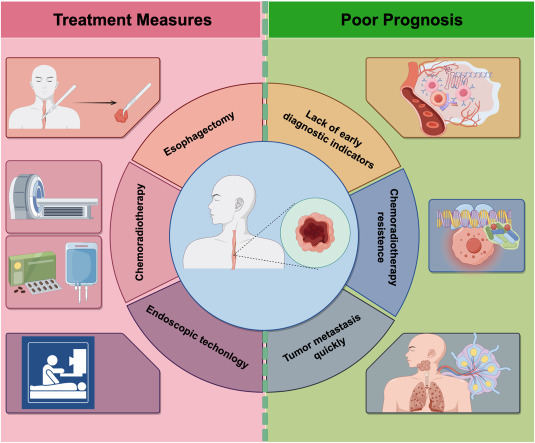
Esophageal squamous cell carcinoma (ESCC) ranks among the top six deadliest malignancies globally, characterized by an alarmingly low five-year survival rate. This aggressive cancer is especially prevalent in Asian countries, where it is strongly influenced by various factors, including dietary habits. Organoids, a novel bioresource that are three-dimensional, miniature organ-like structures derived from stem cells or cancer cells in a laboratory, closely mimics the architecture and function of actual organs, providing an enhanced model for in vivo disease representation. These structures hold immense promise for advancing disease modelling, drug testing, personalized medicine, and investigating intricate biological processes. Nevertheless, numerous challenges remain, warranting further investigation. This review offers insights into the superiority of organoids in ESCC disease modelling, especially in drug screening and treatment optimization. The combination of organoids with gene editing will elucidate mechanisms of ESCC, which will be helpful for early molecular marker discovery and immunotherapy, providing potential strategies for therapeutic targets and personalized intervention.