Advancing cancer research: Cutting-edge insights from colorectal cancer patient-derived xenograft mouse models
Advancing cancer research: Cutting-edge insights from colorectal cancer patient-derived xenograft mouse models
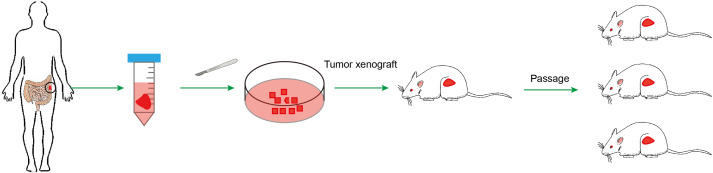
Colorectal cancer is the third most common malignant tumor globally. The current clinical therapeutic outcome is often jeopardized by the complex pathological process that is highly heterogenous among individual patients. It becomes increasingly critical for successful treatments to have diverse valid therapeutic options in clinic, which urgently demands efficient preclinical animal model to develop new drug and screen effective and safe clinical interventions. Patient-derived xenograft (PDX) mouse models, created by implanting fresh tumor tissue into immunodeficient or humanized mice, serve as a crucial resource in translational cancer research. These models closely replicate the tissue, cellular, and genetic characteristics of the original tumors, supporting their use in precision medicine, drug discovery, biomarker research, and studies of drug resistance. However, repeated transplantation can introduce genomic instability, molecular shifts, and phenotype variability. This article explores the development, advantages, limitations, and future directions of PDX models in preclinical cancer research.