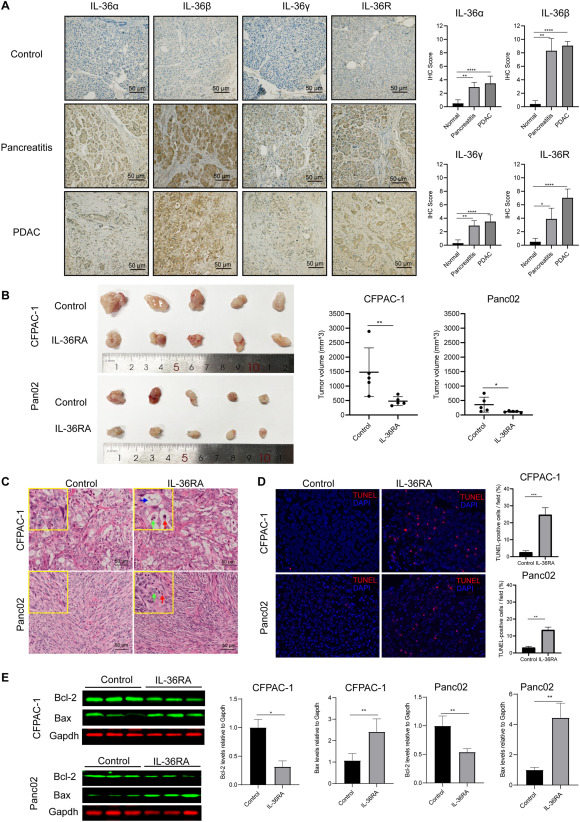
Up-regulated IL-36 expression promotes a pro-tumorigenic phenotype in pancreatic ductal adenocarcinoma
Up-regulated IL-36 expression promotes a pro-tumorigenic phenotype in pancreatic ductal adenocarcinoma
Pancreatic ductal adenocarcinoma (PDAC) is one of the most aggressive and lethal solid tumors, ranking as the fourth leading cause of cancer-related mortality worldwide. Despite advances in therapeutic strategies, the five-year survival rate remains less than 10%.1 This poor prognosis stems primarily from late diagnosis, intrinsic resistance to adjuvant therapy, and a profoundly immunosuppressive tumor microenvironment. Chronic inflammation is well recognized as a major risk factor and driver of PDAC tumorigenesis, with pancreatitis representing a significant precursor lesion.2 Among the proinflammatory mediators involved, interleukin (IL)-1 family cytokines have garnered attention due to their central role in immune modulation, tumor cell survival, and response to treatment.