FOXA2 in islet biology: Orchestrating pancreatic development and glucose homeostasis
FOXA2 in islet biology: Orchestrating pancreatic development and glucose homeostasis
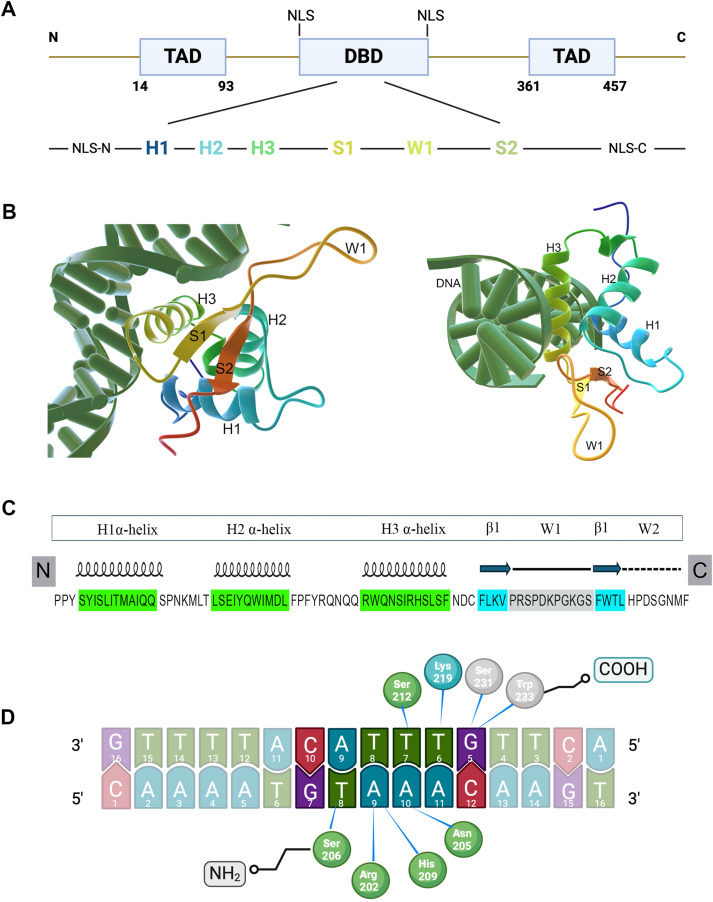
Forkhead Box A2 (FOXA2) is a transcription factor essential for endodermal development and the formation and function of several metabolic organs, including the liver and pancreas. Within the pancreatic lineage, FOXA2 plays a crucial role in orchestrating islet development, maintaining β-cell identity, and regulating genes central to glucose sensing and insulin secretion. This review provides a comprehensive overview of FOXA2's dual role in both developmental and mature stages of pancreatic islets, highlighting its function as a gatekeeper of lineage specification and metabolic homeostasis. We describe FOXA2's dynamic expression patterns during embryogenesis, its regulatory interactions with other key transcription factors, such as PDX1 and NKX6.1, and its influence on chromatin accessibility during islet cell differentiation. Furthermore, we discuss the consequences of FOXA2 dysregulation, including impaired α- and β-cell maturation, loss of functional identity, and contributions to the pathogenesis of diabetes. Insights from mouse models, human stem cell-derived islets, and patient genetics underscore the clinical relevance of FOXA2 in monogenic and complex forms of diabetes. By integrating developmental biology, genomics, and disease modeling approaches, this review highlights FOXA2 as a central regulator connecting pancreatic organogenesis with long-term metabolic control. Understanding FOXA2's regulatory networks may open new avenues for therapeutic strategies aimed at restoring or preserving β-cell function in diabetes.