Lactylation-driven therapeutic resistance in cancer: Mechanisms and therapeutic opportunities
Lactylation-driven therapeutic resistance in cancer: Mechanisms and therapeutic opportunities
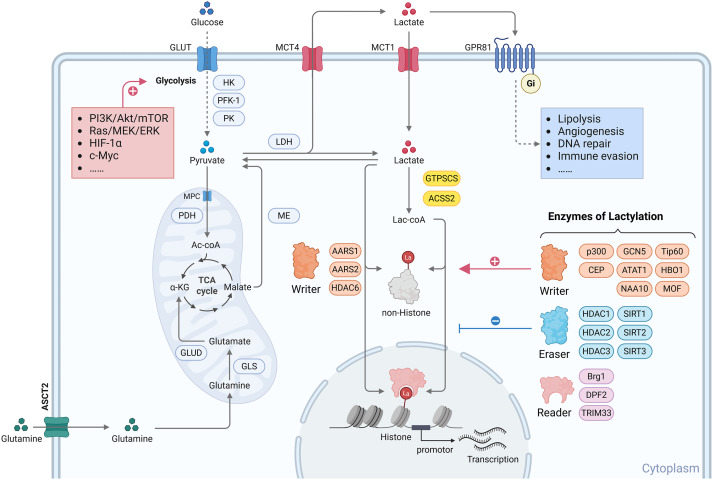
Lactylation, a type of post-translational modification (PTM) of proteins driven by cancer metabolic reprogramming, not only offers new perspectives on the Warburg effect but also has drawn increasing attention due to its critical roles in tumorigenesis and therapeutic resistance. Given its significant potential for precision cancer therapy, this review first integrates recent advancements in lactylation research by systematically summarizing newly identified lactylation writers, readers, and erasers, as well as their involvement in feedback loops and crosstalk with other modifications. Subsequently, we elaborate on how histone and non-histone lactylation contribute to both intrinsic and acquired resistance to radiotherapy, chemotherapy, targeted therapy, and immunotherapy. Key mechanisms encompass maintaining cancer stemness, enhancing DNA damage repair, reprogramming metabolic pathways, inhibiting ferroptosis, and promoting an immunosuppressive tumor microenvironment. Finally, we evaluate preclinical strategies targeting lactylation, including inhibition of lactate metabolic pathways and direct modulation of lactylation-modifying enzymes or lactylated proteins, while critically assessing mechanistic challenges and early-phase clinical trial outcomes. Our analysis establishes a theoretical framework and actionable roadmap for the development of lactylation-based precision therapies in oncology.