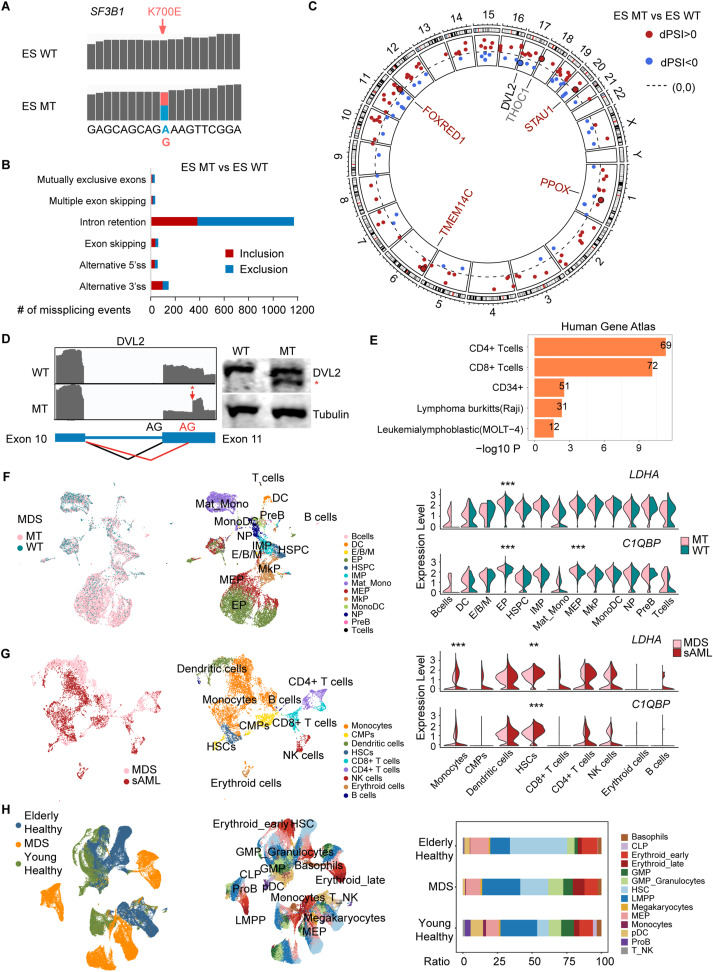
SF3B1K700E-driven transcriptional alterations in hematopoietic progenitors underlie blood cancer pathophysiology
SF3B1K700E-driven transcriptional alterations in hematopoietic progenitors underlie blood cancer pathophysiology
Mutations in splicing factor 3b subunit 1 (SF3B1), particularly the K700E hotspot mutation, have been implicated in the pathogenesis of several hematological malignancies, including myelodysplastic syndromes (MDS), chronic lymphocytic leukemia, and acute myeloid leukemia. Despite the availability of various murine models for studying SF3B1 mutations, there remains a notable discrepancy between the disease manifestations in these models and the human condition. Murine models often fail to fully recapitulate the spectrum of human blood cancers, particularly in terms of the transcriptional dysregulation observed in patients. This gap underscores the necessity for alternative models that can more accurately mirror the human disease phenotype to elucidate the underlying mechanisms of SF3B1 mutations in oncogenesis.1 It is not understood what transcriptional dysregulation events are specifically induced by SF3B1 mutation and are pivotal in the early stage of blood cancers.